

Finding trusted postpartum mental health support near me is crucial for new parents. Learn how to locate expert help and community resources.
The early days of parenthood bring immense joy. They also bring profound challenges. For many, this includes unexpected struggles with mental health. It’s a silent battle fought by countless new mothers and fathers. I remember feeling overwhelmed, isolated, and questioning everything. The expectation is often pure bliss, yet the reality can be very different. Recognizing that you need help is the courageous first step. Finding that specific help, especially postpartum mental health support near me, then becomes the vital next step. This journey requires patience and persistence. You are not alone in feeling this way. Support is available, and it can make all the difference.
Recognizing the Need for postpartum mental health support near me
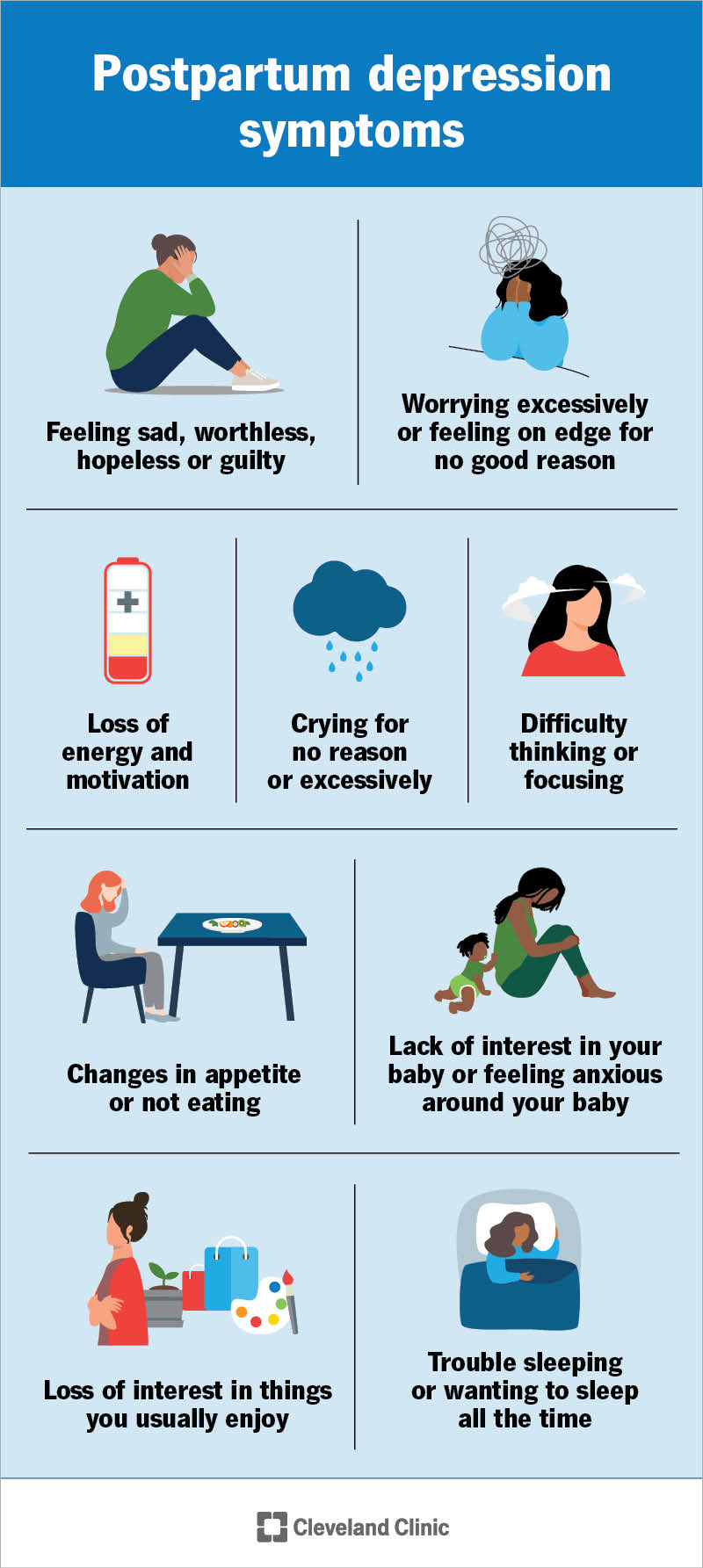
Understanding the signs that you might need help is fundamental. Postpartum mood and anxiety disorders (PMADs) are common. They affect up to 1 in 5 birthing parents. Symptoms can range from persistent sadness, anxiety, and irritability to panic attacks or intrusive thoughts. These feelings extend beyond the “baby blues,” which typically fade within two weeks. If your symptoms are interfering with your daily life, your sleep, or your ability to bond with your baby, it’s time to seek assistance. Trust your instincts. If something feels off, it probably is. It’s not a sign of weakness to ask for help; it’s a sign of strength and a commitment to your well-being and your family’s health. Many people hesitate due to stigma or shame. Please remember that PMADs are treatable conditions. Early intervention often leads to better outcomes. Talking to a partner, a trusted friend, or a healthcare provider is a good starting point. They can help validate your feelings and guide you towards resources.
Where to Find Professional Help
Locating professional postpartum mental health support near me involves several avenues. Start with your primary care physician or your OB/GYN. They are often the first line of defense. They can screen for PMADs and provide referrals to specialists. Pediatricians are also becoming more adept at screening new parents for mental health concerns. Don’t hesitate to mention your struggles during your baby’s check-ups. Online directories are another excellent resource. Websites like Psychology Today, Postpartum Support International (PSI), and the National Alliance on Mental Illness (NAMI) offer searchable databases. You can filter by location, insurance, and specific specialties, such as perinatal mental health. Many therapists now offer telehealth appointments, which can be a lifeline for new parents facing childcare or transportation issues. In the US, check if your insurance covers mental health services. Understanding your benefits beforehand can help reduce financial stress. It is worth making a few calls to understand your options.
Building a Local Support Network
Beyond professional therapy, a strong local support network is invaluable. This doesn’t necessarily mean formal postpartum mental health support near me, but rather a web of caring individuals and groups. Look for local parent groups, breastfeeding support circles, or new parent meet-ups. These can provide a sense of community and shared experience. Knowing others face similar challenges can alleviate feelings of isolation. Your local hospital or birthing center might host support groups for new mothers. Libraries often have story times or parent-child programs that offer opportunities to connect with other families. Online forums can also be a good way to find virtual connections, but always prioritize in-person interactions when possible. Don’t be afraid to lean on friends, family, and neighbors for practical help, like bringing meals or watching the baby for a short break. Accepting help is a form of self-care. It allows you to focus on healing and bonding.
Overcoming Barriers to Care
Finding the right support can sometimes feel like an uphill battle. Common barriers include childcare challenges, financial constraints, and the sheer exhaustion of new parenthood. Be persistent in your search. If one therapist isn’t a good fit, don’t give up on the process. Many organizations offer sliding scale fees or free support groups. PSI, for example, has a helpline and virtual support groups that are accessible and often free. For those living in rural areas or without easy access to specialists, telehealth remains a powerful tool. Advocacy for yourself is key. Communicate clearly with potential providers about your needs and limitations. Remember that taking care of your mental health is not a luxury; it is a necessity for your well-being and the well-being of your family. Keep a list of questions ready when you make calls or attend initial consultations. This can help you feel more prepared and in control of the process. You deserve to feel well and supported during this significant life transition.